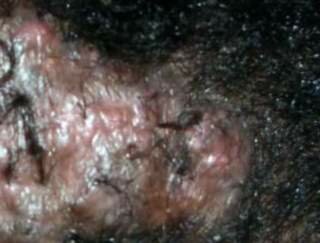
- Hair gels that contain glues and alcohol.
- Super hold hair sprays contain alcohol and glue.
- Any products that contain alcohol such as some
shampoos and hairsprays.
- Hair products with petroleum as an ingredient.
- Perms! - eventually fry the hair and damage the
roots, which can cause different types of alopecia (baldness).
- Avoid using rubber bands; pulls and break the hair.
Less than Half wig 4 Me help you regain your confidence and self-esteem to maintain a sense of glamour that a women needs. Our blog feature hair care tips, articles, wellness & health questions, hair products, hair accessories and more.....
Less Than Half Wig 4 more me info:
Website : www.bbhc.yolasite.com
Website to ORDER http://www.halfwigs.storenvy.com/
Email: halfwigsstore@gmail.com
Website to ORDER http://www.halfwigs.storenvy.com/
Email: halfwigsstore@gmail.com
Blog Archive
-
►
2016
(1)
- ► 01/17 - 01/24 (1)
-
►
2015
(24)
- ► 12/20 - 12/27 (1)
- ► 05/17 - 05/24 (1)
- ► 04/05 - 04/12 (1)
- ► 03/08 - 03/15 (2)
- ► 02/15 - 02/22 (1)
- ► 02/01 - 02/08 (6)
- ► 01/04 - 01/11 (12)
-
▼
2014
(20)
- ▼ 10/26 - 11/02 (2)
- ► 04/27 - 05/04 (5)
- ► 03/30 - 04/06 (1)
- ► 03/23 - 03/30 (3)
- ► 03/16 - 03/23 (4)
Sunday, October 26, 2014
Products Black People Should Avoid on Their Hair
Perms and relaxers have been a long-time favorite of African American women promising silky straight hair for difficult to manage locks, but this beauty regimen comes at a high price – hair breakage, scalp irritation, stunted hair growth, and even permanent hair loss. Discover the top 10 reasons to avoid perms and relaxers and why you should stay away from them at all costs.
We all know there is an obvious difference between ‘black’ hair and other cultures. Some say kinky hair is a gift – you can wear it in so many different ways, but others call it a curse and have made the decision to permanently change the texture of their hair with the use of chemicals. I said permanently because once you add chemical relaxers or perms to your hair it is changed forever. There is no way to get back the natural wave pattern, even if you let the perm grow out. This is why the ‘older generations’ of African American women frown upon relaxing children’s hair. They say it will stunt their hair growth and ruin their hair forever. Well, the same it true for adult hair.
Before we review the top 10 list, let’s talk about the difference between perms and relaxers. A perm makes hair curly. This is also called a “Jerry Curl,” or “texturizer,” and used by African American men and women to create ‘waves’ on a short hair style. A relaxer, straightens the hair transforming the original curl pattern by loosening or relaxing the kinky texture. This is where the evolution of your hair takes place changing it from its original natural state to a lifelong process of having to reapply chemicals to maintain the same look each time causing more damage to your hair.
As odd as it sounds, the relaxer was actually invented by an African American man trying to create a product for a sewing machine shop back in 1910. He wiped his hand on a wool cloth and found that the chemical gave the cloth a smooth appearance. This must have been some kind of strong chemical to turn a cloth into a different texture. Did you know that this is the same chemical used to make drain cleaners to unclog sinks? It is even used to remove fur from animals in the leather making industry. And this is the same chemical that you want to apply to your precious hair? Are you really willing to risk the damage resulting from the use of chemical hair straighteners?

If you think using no lye relaxers are less damaging than those containing lye, think again. There are two basic types of chemical hair relaxers – Sodium Hydroxide (relaxers containing lye) and Guanidine Hydroxide (relaxers containing no lye). The manufacturers of these products want you to believe that no-lye relaxers will not damage your hair. This is simply not true.
The truth is those stunning pictures you see on the relaxer kits of black women with silky smooth hair are usually individuals who already have a good grade of hair. Don’t be fooled into thinking a mere $10 for a home relaxer kit will give you the same look; it is not that simple. There is only one full proof method to avoid hair breakage from chemical relaxers and that is to avoid them. Relaxers permanently alter the natural pH balance and chemical breakdown of your hair. This process weakens each strand of hair. Hair breakage and scalp irritation are common side effects from relaxing or perming your hair and is not a solution for hair that is damaged despite what you may have heard.
Let’s discuss a natural remedy for hair breakage using egg yolk and olive oil treatment. Applying one egg yolk and two tablespoons of olive oil to your hair while showering and rinsing with a mild shampoo is a home remedy that will help with hair breakage. You can use this remedy once a week and see a decrease in hair breakage. No chemicals, no burns; just positive results.

Hair thinning is inventible with applying chemicals. What we believe to be improving our hair is actually causing irreversible damage. Many women think leaving the relaxer in a little longer, or ‘getting the edges’ a little straighter by smoothing it down with a fine toothed comb will give them the look they want. Well, the truth is, this overprocessing is causes more damage resulting in thinning hair, especially around the natural hairline. You see women all the time with thinning ‘edges,’ and while there may other logical causes for this, it is a clear sign of the damage chemical hair straightening can cause.
An easy fix is don’t use a chemical agent to try to thicken your thin hair; try oat flour. Two little tablespoons added to your regular conditioner will thicken thinning hair. Oat flour can be found at your local grocery store or health food store and costs far less expensive than over the counter beauty products.

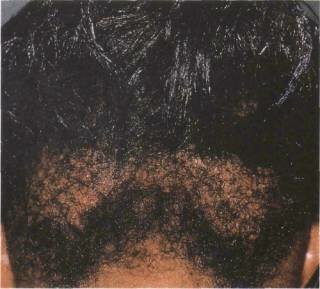
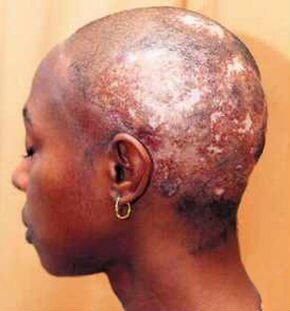
Permanent hair loss is not uncommon with the use of chemical hair strengtheners. What starts out as a burn and turns into a scab can ultimately end up being a permanent bald spot where your hair does not grow back. This is frustrating, not to mention embarrassing as you try to cover up the unsightly area. Permanent hair loss can also start out with an area of thinning and as time goes on the hair continues to fall out. The likelihood of permanent hair loss is increased with the use of hot combs, curling irons, and hair that is pulled tight by hair rollers.
Instead of applying harsh chemicals, try a natural method to straighten your hair. As crazy at it sounds fresh coconut can gradually straighten those kinky locks without the fear of damaging your hair. You simply blend fresh coconut with lime and refrigerate. This will create a creamy mixture. Rub this on your scalp and cover with a hot towel for about an hour and rinse with a mild shampoo. If you do this three times a week you will notice the kinks start to straighten out.

Frizzy hair is a result of dry hair. This can be caused by a number of things – lack of moisturizer, infrequent or too frequent washing, lack of conditioning, or use of a perm or relaxer. Black hair does not take well to overconditioning. It can leave the hair flat and unable to hold a curl. Perms and relaxers do not help with frizzy hair; they only add to the problem creating dry brittle ends that lead to hair breakage. Flat irons and hair curlers only add to the problem.
Let’s go with a natural method to prevent the frizzies. Create a rinse of apple cider or vinegar and lemon (1 ounce to 1 quart of water). Since acidity helps restore the ph balance and tames the hair shaft by closing the cuticle, applying after shampooing is a natural way to get rid of frizziness without damaging your hair. The best thing about this remedy is that you probably already have it in your kitchen.

Leaving perms and relaxers on too long can case scalp irritation or burns. The problem is only worsened by using additional products containing alcohol such as hair gels or sprays. Alcohol-containing hair products can aggravate the affected area causing slow healing, further irritation, or permanent scalp damage.
Treating scalp irritation should include removing dirt and oil from the affected area with a gentle shampoo and conditioning the hair. Applying antiseptic ointment to the area will help the healing process. Remember not to scratch or further irritate the area.

Your hair is made up of layers. The outer layer protects the hair shaft. When layer of protection is damaged with the use of chemical relaxers this causes the ends of your hair to split. This damage can travel up the hair shaft and cause hair breakage resulting in damaged uneven hair. Some say just trim the ends, but the truth is, perms and relaxers actually promote split ends. They dry the ends of your hair and wear down the protective layer. While trimming your hair is recommended with or without a perm, think of how much hair you are destroying each time you get a perm or even a touch-up. If you are trying to grow your hair long, you are fighting a losing battle with the use of chemicals.

We all know that chemicals dry out your hair. This is not a secret. The makers of these hair products try to sell a dream and too many African American women buy into it to the tune of billions of dollars each year being spent. As their pockets get bigger, more and more consumers end up with damaged hair. This only means more money in their pockets as they (the companies) advertise different remedies to help restore the damage that their products have caused in the first place.
Not everyone has bought into this pipe dream though; many African Americans are going back to their natural roots with dreadlocks and natural kinky twist hair styles. Even the ‘afro’ has made a come back and it looks stunning. You need to know that chemicals do not repair dry brittle hair; they create it. If going straight is a must for you there are natural ways to get this look without applying chemical hair straighteners.

Scalp infection as a result of perms and relaxers not so uncommon. There are several cases where consumers have filed lawsuits against the manufactures after using their products. In fact, some women are left with permanent bald spots due to scalp infection after the use of chemical hair straighteners requiring medical treatment. This is not the look that you want to achieve with the use of chemical straighteners; however, it may very well be the end result.

As strange as it sounds respiratory problems can occur from using perms and relaxers. Potassium hydroxide, also called ‘potassium lye’ is a very strong chemical and inhaling the chemical may cause coughing, sneezing, and breathing problems. If exposed to for long periods it is strong enough to cause damage to your lungs.
Ingesting potassium hydroxide can be equally damaging resulting in burns to the mouth and/or throat, vomiting, severe stomach pain, diarrhea, vomiting, and even death.
The effects of using perms and relaxers sound dangerous and it is; not just to your hair but to your overall health. Imagine something you apply to your hair having so many side effects – is having straight hair really worth the risk?
While the pictures of silky shiny straight hair are enticing, the health risks are overwhelming and not advertised nearly as much as they should be. Hair breakage, going bald, stunted hair growth, scalp infection, thinning hair, respiratory and GI problems – seems like a big price to pay for having straight hair. Consider natural alternatives to hair straightening or even going natural with braids, twists, or locks. Look good and feel good inside and out without the risk of permanent hair damage from the use of perms and relaxers.
We all know there is an obvious difference between ‘black’ hair and other cultures. Some say kinky hair is a gift – you can wear it in so many different ways, but others call it a curse and have made the decision to permanently change the texture of their hair with the use of chemicals. I said permanently because once you add chemical relaxers or perms to your hair it is changed forever. There is no way to get back the natural wave pattern, even if you let the perm grow out. This is why the ‘older generations’ of African American women frown upon relaxing children’s hair. They say it will stunt their hair growth and ruin their hair forever. Well, the same it true for adult hair.
Before we review the top 10 list, let’s talk about the difference between perms and relaxers. A perm makes hair curly. This is also called a “Jerry Curl,” or “texturizer,” and used by African American men and women to create ‘waves’ on a short hair style. A relaxer, straightens the hair transforming the original curl pattern by loosening or relaxing the kinky texture. This is where the evolution of your hair takes place changing it from its original natural state to a lifelong process of having to reapply chemicals to maintain the same look each time causing more damage to your hair.
As odd as it sounds, the relaxer was actually invented by an African American man trying to create a product for a sewing machine shop back in 1910. He wiped his hand on a wool cloth and found that the chemical gave the cloth a smooth appearance. This must have been some kind of strong chemical to turn a cloth into a different texture. Did you know that this is the same chemical used to make drain cleaners to unclog sinks? It is even used to remove fur from animals in the leather making industry. And this is the same chemical that you want to apply to your precious hair? Are you really willing to risk the damage resulting from the use of chemical hair straighteners?
9. Hair Breakage
If you think using no lye relaxers are less damaging than those containing lye, think again. There are two basic types of chemical hair relaxers – Sodium Hydroxide (relaxers containing lye) and Guanidine Hydroxide (relaxers containing no lye). The manufacturers of these products want you to believe that no-lye relaxers will not damage your hair. This is simply not true.
The truth is those stunning pictures you see on the relaxer kits of black women with silky smooth hair are usually individuals who already have a good grade of hair. Don’t be fooled into thinking a mere $10 for a home relaxer kit will give you the same look; it is not that simple. There is only one full proof method to avoid hair breakage from chemical relaxers and that is to avoid them. Relaxers permanently alter the natural pH balance and chemical breakdown of your hair. This process weakens each strand of hair. Hair breakage and scalp irritation are common side effects from relaxing or perming your hair and is not a solution for hair that is damaged despite what you may have heard.
Let’s discuss a natural remedy for hair breakage using egg yolk and olive oil treatment. Applying one egg yolk and two tablespoons of olive oil to your hair while showering and rinsing with a mild shampoo is a home remedy that will help with hair breakage. You can use this remedy once a week and see a decrease in hair breakage. No chemicals, no burns; just positive results.
8. Hair Thinning
Hair thinning is inventible with applying chemicals. What we believe to be improving our hair is actually causing irreversible damage. Many women think leaving the relaxer in a little longer, or ‘getting the edges’ a little straighter by smoothing it down with a fine toothed comb will give them the look they want. Well, the truth is, this overprocessing is causes more damage resulting in thinning hair, especially around the natural hairline. You see women all the time with thinning ‘edges,’ and while there may other logical causes for this, it is a clear sign of the damage chemical hair straightening can cause.
An easy fix is don’t use a chemical agent to try to thicken your thin hair; try oat flour. Two little tablespoons added to your regular conditioner will thicken thinning hair. Oat flour can be found at your local grocery store or health food store and costs far less expensive than over the counter beauty products.
7. Permanent Hair Loss
Permanent hair loss is not uncommon with the use of chemical hair strengtheners. What starts out as a burn and turns into a scab can ultimately end up being a permanent bald spot where your hair does not grow back. This is frustrating, not to mention embarrassing as you try to cover up the unsightly area. Permanent hair loss can also start out with an area of thinning and as time goes on the hair continues to fall out. The likelihood of permanent hair loss is increased with the use of hot combs, curling irons, and hair that is pulled tight by hair rollers.
Instead of applying harsh chemicals, try a natural method to straighten your hair. As crazy at it sounds fresh coconut can gradually straighten those kinky locks without the fear of damaging your hair. You simply blend fresh coconut with lime and refrigerate. This will create a creamy mixture. Rub this on your scalp and cover with a hot towel for about an hour and rinse with a mild shampoo. If you do this three times a week you will notice the kinks start to straighten out.
6. Frizzy hair
Frizzy hair is a result of dry hair. This can be caused by a number of things – lack of moisturizer, infrequent or too frequent washing, lack of conditioning, or use of a perm or relaxer. Black hair does not take well to overconditioning. It can leave the hair flat and unable to hold a curl. Perms and relaxers do not help with frizzy hair; they only add to the problem creating dry brittle ends that lead to hair breakage. Flat irons and hair curlers only add to the problem.
Let’s go with a natural method to prevent the frizzies. Create a rinse of apple cider or vinegar and lemon (1 ounce to 1 quart of water). Since acidity helps restore the ph balance and tames the hair shaft by closing the cuticle, applying after shampooing is a natural way to get rid of frizziness without damaging your hair. The best thing about this remedy is that you probably already have it in your kitchen.
5. Scalp Irritation/Burns
Leaving perms and relaxers on too long can case scalp irritation or burns. The problem is only worsened by using additional products containing alcohol such as hair gels or sprays. Alcohol-containing hair products can aggravate the affected area causing slow healing, further irritation, or permanent scalp damage.
Treating scalp irritation should include removing dirt and oil from the affected area with a gentle shampoo and conditioning the hair. Applying antiseptic ointment to the area will help the healing process. Remember not to scratch or further irritate the area.
4. Split Ends
Your hair is made up of layers. The outer layer protects the hair shaft. When layer of protection is damaged with the use of chemical relaxers this causes the ends of your hair to split. This damage can travel up the hair shaft and cause hair breakage resulting in damaged uneven hair. Some say just trim the ends, but the truth is, perms and relaxers actually promote split ends. They dry the ends of your hair and wear down the protective layer. While trimming your hair is recommended with or without a perm, think of how much hair you are destroying each time you get a perm or even a touch-up. If you are trying to grow your hair long, you are fighting a losing battle with the use of chemicals.
3. Dry Brittle Hair
We all know that chemicals dry out your hair. This is not a secret. The makers of these hair products try to sell a dream and too many African American women buy into it to the tune of billions of dollars each year being spent. As their pockets get bigger, more and more consumers end up with damaged hair. This only means more money in their pockets as they (the companies) advertise different remedies to help restore the damage that their products have caused in the first place.
Not everyone has bought into this pipe dream though; many African Americans are going back to their natural roots with dreadlocks and natural kinky twist hair styles. Even the ‘afro’ has made a come back and it looks stunning. You need to know that chemicals do not repair dry brittle hair; they create it. If going straight is a must for you there are natural ways to get this look without applying chemical hair straighteners.
2. Scalp infection
Scalp infection as a result of perms and relaxers not so uncommon. There are several cases where consumers have filed lawsuits against the manufactures after using their products. In fact, some women are left with permanent bald spots due to scalp infection after the use of chemical hair straighteners requiring medical treatment. This is not the look that you want to achieve with the use of chemical straighteners; however, it may very well be the end result.
1. Respiratory (Breathing)/Gastrointestinal (Stomach) Problems
As strange as it sounds respiratory problems can occur from using perms and relaxers. Potassium hydroxide, also called ‘potassium lye’ is a very strong chemical and inhaling the chemical may cause coughing, sneezing, and breathing problems. If exposed to for long periods it is strong enough to cause damage to your lungs.
Ingesting potassium hydroxide can be equally damaging resulting in burns to the mouth and/or throat, vomiting, severe stomach pain, diarrhea, vomiting, and even death.
The effects of using perms and relaxers sound dangerous and it is; not just to your hair but to your overall health. Imagine something you apply to your hair having so many side effects – is having straight hair really worth the risk?
While the pictures of silky shiny straight hair are enticing, the health risks are overwhelming and not advertised nearly as much as they should be. Hair breakage, going bald, stunted hair growth, scalp infection, thinning hair, respiratory and GI problems – seems like a big price to pay for having straight hair. Consider natural alternatives to hair straightening or even going natural with braids, twists, or locks. Look good and feel good inside and out without the risk of permanent hair damage from the use of perms and relaxers.
Saturday, September 27, 2014
Relaxed vs. Natural Hair: Pros & Cons
So is it just me, or does there seem to be a battle between the naturals and the relaxed chicks? With the natural hair community growing ever so rapidly, there seems to be an uproar of opinions on how people should be wearing and not wearing their hair. I have seen commentary about natural vs. relaxed, curly vs. straight, good hair vs. bad hair, and even untrue stereotypes. As black women our hair is a sensitive, and sometimes overly discussed topic. It is JUST hair, ladies. Why do we put so much emphasis on our tresses? It’s quite vain how important hair has become in our community.
As a girl who has worn her hair both natural and chemically treated, I see no reason to fight about which is better or worse. All hair has its negatives and positives. How you choose to care for your hair will determine its health and beauty.
Let’s look at some common PROs and CONs.
Thickness: Natural hair does tend to be thicker. This is because your hair follicles are textured. The natural hair follicles have lots of disulfide bonds which create the curls in the hair and give it texture. Chemically relaxed hair has been altered. The follicles have been broken down so that they don’t curl. This decreases the amount of texture, therefore leaving your head of hair to feel and appear thinner.
- Natural hair is easier to achieve a full and big hair’d look
- Relaxed hair is easier to flat iron, and achieve a straight, “silky” look
Tangles: Natural hair is definitely a challenge to detangle. Though there are several methods that can help reduce the detangling process, it’s still a process. Relaxed hair is straight, and therefore can in some ways be easier to manage on a daily basis, and even on wash days.
- Relaxed hair is especially great for air drying before styling. You can easily air dry and then straighten for less damage
- Natural hair is great if you enjoy the “wash n’ go” look, but if your intending to style hair detangling, and possibly blow-drying will be necessary
Growth Rate: It is a myth that natural or relaxed hair grows faster than the other. Your hair growth rate depends on two things: your internal health and how you care/maintain your hair. Natural hair is just as susceptible to damage as chemically treated hair. Often, those who go natural feel like their hair is growing faster because they aren’t styling their hair as much, and therefore, aren’t damaging it. What is really happening here is your hair’s retention rate has increased.
- Natural hair that is worn natural and isn’t messed with a lot has the potential to retain more length.
- Chemically treated hair has been weakened, and therefore, extra care is necessary to retain length. With the proper care you are able to grow long, healthy and beautiful relaxed hair.
- Neither style guarantees faster growth.
Natural Hair Mistakes
Marcus Garvey once challenged black people to get the kinks out of our minds and not out of our hair. Never has this statement been more true than with the natural hair movement. Don't get me wrong. The modern natural hair movement is an amazing cross-cultural coalition of women with kinks and curls giving emotional support and hair advice to one another.
It is great in many respects! But, the movement often fails to challenge the very paradigm that encouraged women to chemically process their hair and thereby prevented them from remaining natural, in the first place. In my view, the following five natural hair mistakes are the biggest mistakes that most naturals don't even realize that they are making.
* Complaining About "Shrinkage"
Magical afro-textured hair has a helix or ziggly formation that allows it to defy gravity by growing toward the sun. By definition, a helix or ziggly formation is not straight and therefore appears shorter than if those same hair strands were straight. It's the amazing reality of our hair! But instead of accepting and embracing this, many naturalistas are complaining about it. I have seen comments on facebook pages such as "I hate shrinkage" and "shrinkage is evil."
What the cuss? Where did this word even come from? Do straight haired people complain about their hair being "stretched"? Not that I know of! Your hair is amazing no matter how long or high it appears due to the weather or your styling methods.
*Complaining That Your Hair is "Hard" To Manage
Yes, kinky hair is hard to manage if you want it to look straight or look like loose curls. I agree 100%. But it is not hard to manage when you are engaging in styles that were created by people with kinky hair for kinky hair such as twists, braids, thread wrap or locs. If your hair is hard to comb then only comb it when wet with water and conditioner. Trust me, it will be easier. Also, put it in styles that won't require you to comb it for long periods (braids, coils, etc.) or forever (locs). I will never forget the first time that I got rat tail coils. The male loctician was fawning over my hair because he said it was the "perfect" hair for locing. I thought to myself 'I'm glad my hair is good for something". It's actually good for many things. When people with looser curl patterns complain about braids and twists unraveling consistently, I can't relate. All hair textures have advantages - embrace the advantages of your texture.Sunday, May 4, 2014
Healthy Black Hair Tips
Black hair is unique and requires administering healthy black hair tips to keep it gorgeous and in good condition. Black hair can be styled in distinctive, exotic ways and keeping it healthy is part of the style. While, keeping black hair healthy may take time and effort, you will be rewarded with stunning results.
Eat Well
- Eat a salad instead of a burger. Putting good nutritious food into your body promotes healthy hair. Cut back on oily, greasy foods. Eat fruits and vegetables. Drink plenty of water. The condition of your hair can be affected by the health of your body.
Reduce the Heat
- If you can see the heat coming off of your pressing tool, it is too hot for your hair. Black hair is fragile and constantly putting heat on your hair can cause damage. When pressing your hair, use the lowest setting that works for your hair. Do not press your hair every day. Use rollers to curl your hair instead of a hot curling iron. Wrap your hair at night to help it maintain its shape. You will see a difference in the condition of your hair as you use less heat.
Do not use a Comb
- Work out tangles gently from bottom to top. Don't tug or pull on your hair. Remember black hair breaks easily and rough handling damages it.
Condition
- Take the time to condition your hair once a week. Use conditioners that are made from natural extracts. You can make your own conditioners at home from items like avocados, eggs and mayonnaise. Deep condition your hair at least once a week.
Cover Your Head
- Protect your hair from breakage. When you sleep at night make sure your hair is covered with a satin cap or head cloth. Your hair is protected by the satin and less likely to break while you are sleeping.
Don't Rub
Thursday, May 1, 2014
Tip for healthy hair
Protein
- Hair is a protein; as a result, make certain that you have a diet full of protein. Eat foods full of protein such as fish, eggs, beans and yogurt. Eating foods that feature soy is another way to help the growth of hair. Tofu is a particular ingredient that will help hair growth. A diet full of protein can help hair grow.
Vitamins
- There are specific vitamins that are important in hair growth. B vitamins promote healthy hair and hair growth. Vitamin C assists in blood circulation to the scalp and follicles of hair, which helps the hair grow. Vitamin E assists in the circulation of the scalp, which allows hair to grow. There are also hair-growth specific vitamins available, including folic acid, biotin, panthothenic acid and silica. Purchase hair-growing vitamins that feature MSM, which is a naturally occurring form of sulfur that assists in the growth of hair.
Avoid Harsh Chemicals
- Harsh chemicals such as peroxide for hair coloring can damage hair. Peroxide weakens the hair shaft and causes hair breakage. Constant use of peroxide can kill hair follicles, causing hair to fall out or not grow. Bleaching hair with peroxide can cause baldness. If you want to have your hair colored, visit a professional and ask for low-peroxide hair color. Avoid having your hair permed or straightened because products used to perm and straighten break down the chemical structure of your hair. Heavy products and chemicals cause damage to the hair follicles, causing hair not to grow.
Hair Trims
- Getting your hair trimmed may seem counterproductive to growing hair, but it actually keeps your hair healthy. Split ends are damaging to the hair and can slow or prevent hair growth. Split ends cause hair breakage, which splits up the entire length of the hair shaft, preventing hair from easily growing. Have a trained professional trim your hair a half an inch every month if you are trying to maintain your current hair length or have it trimmed a half inch every three or four months if you are actively growing your hair longer. Trimming the hair leads to a healthier mane.
Read more: http://www.ehow.com/info_8210067_tips-stimulate-hair-growth.html#ixzz30TSM9Gh3
Our 10 Most Popular Natural Hair Care Articles of 2013
by Black Girl With Long Hair –
We’ve already recapped the top style icons of 2013, and the top stories and controversies involving natural hair in 2013. Check it out:
1. From Shoulder Length to Waist Length: Geniece’s Natural Hair Story.
2. 4 Natural Remedies to Relieve an Itchy Scalp.
3. 4 Amazing Products for Type 4B/4C Natural Hair.
4. 8 Amazing Homemade Aloe Vera Recipes for Natural Hair.
5. 3 Simple Recipes for Homemade Moisturizers and Sealants.
6. Hair Loss, Dry Hair, Split Ends? 10 Natural Remedies for Common Hair Problems.
7. 6 Alternatives to EcoStyler Gel for Slicking and Defining Natural Hair.
8. How to Use Olive Oil on Natural Hair.
9. 5 Ways to Enjoy Your Hair While Transitioning!
10. 5 Medical Reasons For Slow/No Hair Growth
1. From Shoulder Length to Waist Length: Geniece’s Natural Hair Story.
2. 4 Natural Remedies to Relieve an Itchy Scalp.
3. 4 Amazing Products for Type 4B/4C Natural Hair.
4. 8 Amazing Homemade Aloe Vera Recipes for Natural Hair.
5. 3 Simple Recipes for Homemade Moisturizers and Sealants.
6. Hair Loss, Dry Hair, Split Ends? 10 Natural Remedies for Common Hair Problems.
7. 6 Alternatives to EcoStyler Gel for Slicking and Defining Natural Hair.
8. How to Use Olive Oil on Natural Hair.
9. 5 Ways to Enjoy Your Hair While Transitioning!
10. 5 Medical Reasons For Slow/No Hair Growth
3 Must-Haves for Aging Hair
Defend and mend your 'do through the decades with these strand savers by Alana Peden
Black Is the New Black
Sonia Kashuk Couture Shower Cap ($5; target.com)
Extend the life of a good blowout by sporting this sleek cap while you shower. This plush, oversized shower cap is expansive enough to provide protection for even the longest or thickest hair.
Strand Strengthener
Nioxin Diamax Thickening Xtra-fusion Treatment ($50; nioxin.com)
For sparse strands and breakage (especially near the hairline), this treatment helps treat and thicken hair at the root. Squirt it on broken spots every night to enocurage hair growth.
Overnight Oil
Phyto Subtil Elixir Intense Nutrition Shine Oil ($38; sephora.com)
Just like your skin, your hair becomes drier and more brittle as you age. Lock in moisture by massaging in this softening oil treatment before bed. For maximum impact, leave it on overnight and shampoo in the AM.
Friday, April 18, 2014
How to care for a wig
1. Always use styling products especially designed for hair wigs.
2. Wash your wig in cool water in a sink, and not on your head.
3. Let wig air dry on a wig stand.
4. Do not comb wig when wet.
5. Use special wig comb or wig brush when combing.
6. Do not use curling/flat iron on synthetic wig, unless it is heat resistant.
7. Store wig on a wig stand covered with silk scarf.
8. Always use nylon wig cap underneath wig.
9. When combing hair start from bottom and make your way gently up the top.
10. If deciding to dye hair, consult hair stylist before hand.
bangs
Thursday, April 17, 2014
Thursday, April 3, 2014
Friday, March 28, 2014
3 steps on how to determent your face type before you buy any wig.
1) Identifying Your Face Shape
2) Judge your facial outline. See if it is one of the illustration above to see if you are Diamond, Oblong, Round, Square,Heart-shaped.
3)Measure your face to fit your face type.
Or go to
Online quiz determines your face shape and gives you style suggestions, for hair, jewelry, glasses and more. Learn how to tell your face shape with a simple
Wednesday, March 26, 2014
Bangs That is Best for Your Face
In this photo gallery, I outline what types of bangs work best on each face shape and why. But first, make sure you know your face shape. To find out your face shape, see How to Measure Your Face to Determine Your Face Shape then check out photos of your best and worst hairstyles.
One big key to bangs is hair texture. If you have curly hair, you should avoid bangs period, no matter your face shape. Bangs just pouf up on you. Also keep in mind that bangs take maintenance. I always recommend learning How to Trim Your Own Bangs. And if you do get bangs, you must, must, must learn how to blow dry them properly. Too many women suffer from Bubble Bangs syndrome, which happens when they dry their bangs under with a round brush. Do NOT COMMIT THIS ACT. Find out how to properly blow dry bangs in How to Blow Dry Bangs.
Julyne Derrick
About.com Beauty
About.com Beauty
Tuesday, March 25, 2014
Wig Care Tips
1. Always use styling products especially designed for hair wigs.
2. Wash your wig in cool water in a sink, and not on your head.
3. Let wig air dry on a wig stand. Using blow drier is not recommended.
4. Do not comb wig when wet.
5. Use special wig comb or wig brush when combing.
6. Do not use curling/flat iron on synthetic wig, unless it is heat resistant.
7. Store wig on a wig stand covered with silk scarf.
8. Always use nylon wig cap underneath wig.
9. When combing hair start from bottom and make your way gently up the top.
10. If deciding to dye hair, consult hair stylist before hand.
Subscribe to:
Posts (Atom)
.jpg)

.jpg)
.jpg)

.jpg)


I've been pretty open about my natural hair journey, however, it's taken over 10 years for me to get a grasp on the basics. From detecting scalp drying ingredients on product labels to detangling without pulling out balls of hair, I learn something new everyday about maintaining and styling my thick curls. But if you're ready to leave behind chemical relaxers and heat-styling tools to sport your natural hair, I've gathered professional advice that will save you time, money and stress.
Michael Lupo, Carol's Daughter marketing director, talks below about transitioning from relaxed to natural hair, being heavy-handed with products and handling breakage. And scroll down to our slideshow for celebrity inspiration on how to style natural hair.
What are the three most common hair care mistakes women make when styling their natural hair?
The first mistake is using too much product. When we change anything about our hair, we always panic, buy a ton of extra styling products and put it all on. Our hair ends up looking greasy or weighed down, so we end up washing our hair too frequently which just dries it out. Be extra judicious with products. You can always add a little more as you go.
Many people are fascinated, yet often frustrated, with the manageability challenges of their new growth and want to go back to relaxing. The first six to eight months of growth are not their true natural curl pattern or hair texture. Their scalp and follicles are still healing, so they need to do everything they can to make it through this "scab hair period" and into your true hair texture. Once they've made it through this patch, they'll have softer, more manageable and even curl patterns.
Curly hair is the driest hair type so no matter how you're wearing it, you need a really great leave-in moisturizer. Most women say they "know" about moisturizing, but stop with rinse-out conditioners, hair oils and treatment masks. You need a leave-in to ensure hair stays super hydrated.
Can you explain a few of the hair styling issues that generally occur when transitioning to or simply maintaining natural hair?
The further you get in the process, the more breakage you'll notice since you'll be continually applying more stress to your already weakened hair. You'll need to treat your hair with extra care and try techniques that put a lot less heat and stress on your strands. To get your hair straight: Try setting your hair in rollers and going under a hood dryer, but lower the heat and sit a little longer. Also, you can try a wrap foam and use the "Doobie" method, again sitting under a hood dryer or overnight. To wear your hair curly, use two-strand twists or Bantu knots, instead of curling irons.
Believe it or not, if your hair is about shoulder length, this is the period that it is most vulnerable to breakage. When your strands are constantly brushing against your shoulders, friction will do its nasty work and the clothes you are wearing, particularly cotton, will sap the moisture from your ends and make them more prone to breakage. Since you're aware of this problem, you have two really simple options: You can use extensions to have your hair lay past your shoulder or, the best option, try some fun updos where your hair is twisted, braided or pinned up in different styles that never let your hair fall into this problem.
What types of hair products and ingredients should women with natural hair look out for?
You need incredibly moisturizing products that strengthen hair. Olive oil, monoi oil, shea butter, cocoa butter are perfect for this purpose.
Any additional words of wisdom for natural hair beauties?
The first is actually before you transition. Do your research, read about the different ways you can go about this transformation and figure out which one is best for you. If you don't want to do the "Big Chop," that's fine, but maybe wearing hair extensions or braids feels more comfortable than doing two-strand twist or Bantu knot styles. You want to pick a path you feel most comfortable with so it'll be that much easier for you to stick to.
The second is that you need to experiment and be okay with it. You'll need to be ready, willing and able to start wearing you hair in styles you've never done before and playing with new hair accessories throughout the transitioning period. The more open to experimentation, the easier you'll be able to adapt to your new hair texture.